
Trigger Point therapy is a type of acupuncture that releases underlying myofascial trigger points and holding patterns by causing a jump in the muscle that causes it to loosen tight knotted muscle fibers. Alyx Soesman has several years of extensive training in trigger point therapy based on the work of Janet Travell, MD. This video shows an example of trigger point therapy being done on the trapezius, giving relief to a patient with a tight trapezius muscle. Click here to book a trigger point therapy session, and be sure to select the service option “trigger point therapy”.
Category: Blog
Acupuncture for Low Back Pain & Degenerative Disc Disease
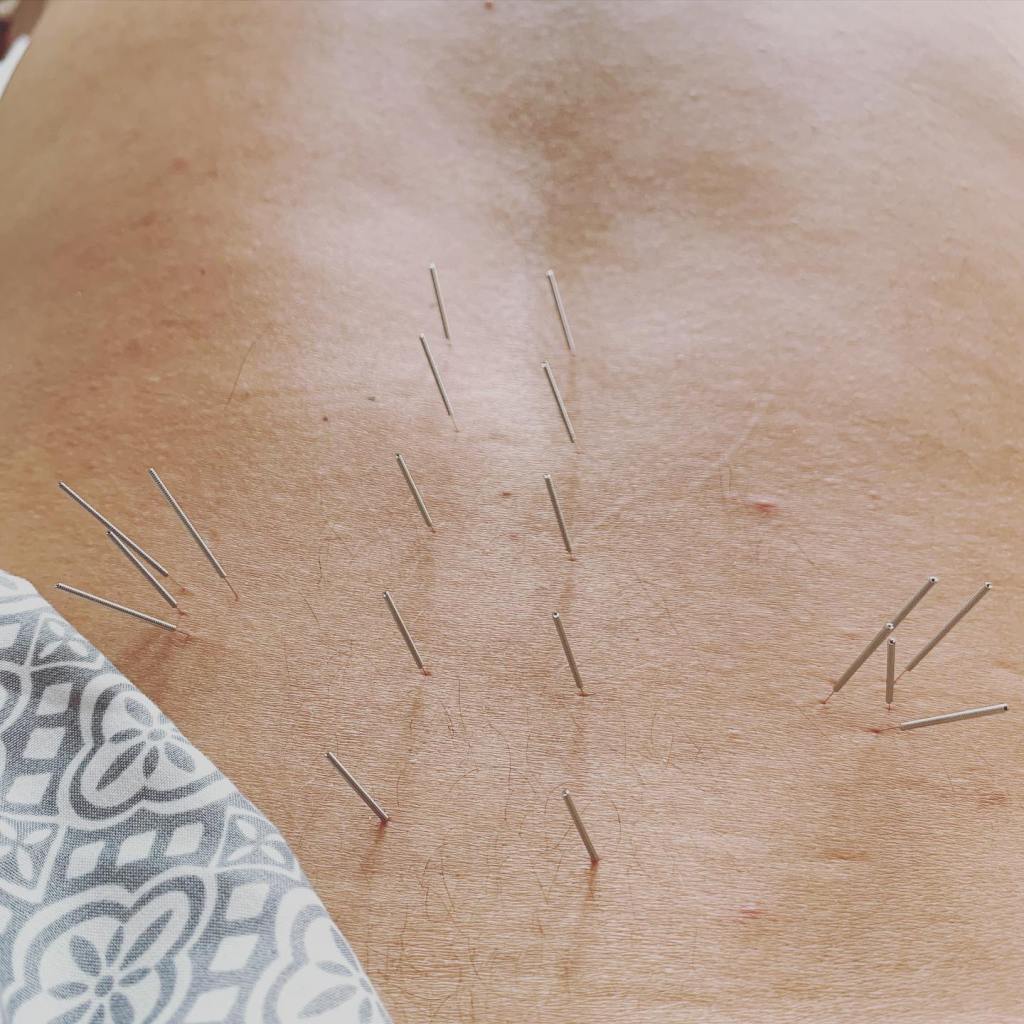
I’m asked a lot about whether it’s safe to put needles right along side the spinal vertebrae. The answer is YES! It’s derived from a Japanese form of Acupuncture and they are called Huato Jiaji points. The needles are placed right next to the discs rather than in them so the spinal cord is entirely safe. By putting these acupuncture points in, I’m encouraging a strong flow of blood into the area that clears out inflammation from the spine and it aids healing. I find this especially helpful in cases of degenerative disc disease because it prevents further degeneration and it also helps manage the pain.
Acupuncturist Alyx
Do Acupuncture Needles Hurt?
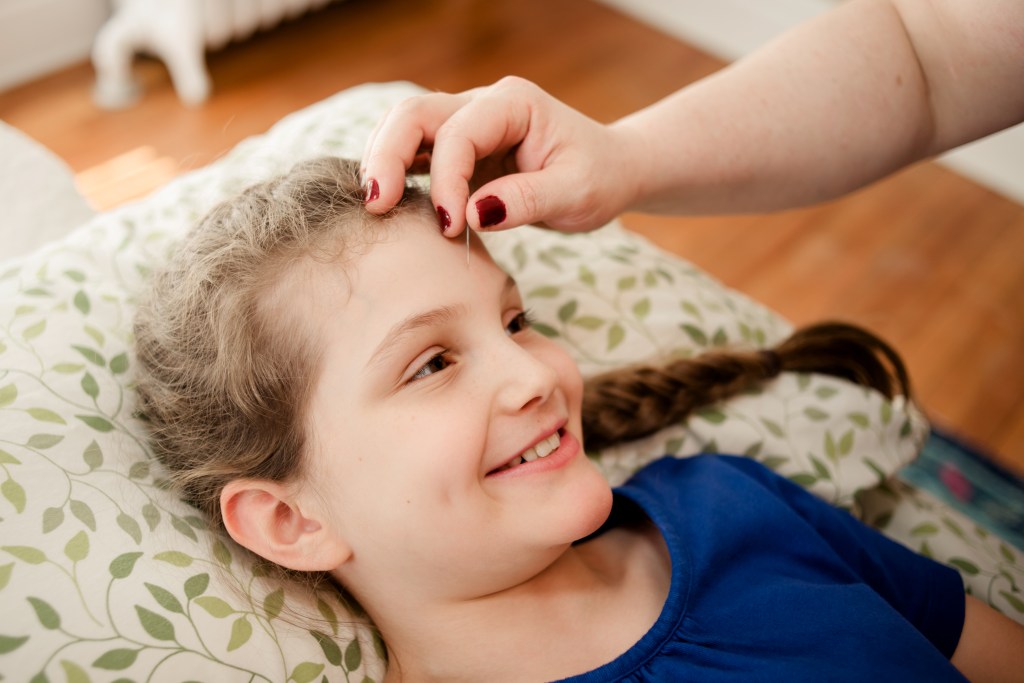
One open house, I had a 12 year old tell her parents there was no way she was getting acupuncture because it would hurt. I said, try one point and tell me exactly what you think. She closed her eyes because she didn’t want to see it, and held out her arm.
I put a needle in.
She said, “ok, I’m ready, you can do it.”
“I already have.”
She opened her eyes. “Whoa. I didn’t feel anything!” she laughed. “Do another.”
I put in one more needle with her eyes open. “Did you feel that?” I asked.
“Nothing like a shot, right?”
“Yeah, it wasn’t much.”
And that is a typical response when I needle people. I can’t guarantee that someone won’t feel it. But it’s nothing like when you get a shot. The reason why is because hyperdermic needles are hollow and punch a hole through skin and tissue to dispense something (like medication) or take something out (like blood). Acupuncture needles are solid, not hollow, and as a result, are often much smaller. I often say, if I had a dollar for when people who come in really scared tell me, “oh that’s nothing!”
That said, people have different sensitivities so my treatments do vary and if someone is super sensitive, i tend to do a lighter treatment with fewer needles whereas if someone is not sensitive at all, we do a more intense treatment. I will check in along the way to make sure you are ok. If you are scared at all, it helps for me to know that. It’s always a good idea to talk to your acupuncturist about your fears.
If I know one point is a sensitive point and it will hurt, I will tell you because you should have the right to say no. But you should also have the right to be informed on why it might help you. For example, kidney 1 is on the bottom of the foot. It hurts when it’s needled. But I have a few people with peripheral neuropathy who say it’s the point that makes the most difference for the pins and needles sensations in their feet, so they are willing to deal with the pain. They tried it once even though i warned them it would hurt, and they felt it made a huge difference, so they are willing to put up with the pain. But they knew ahead of time because we discussed it. Which is how I work. I like for people to know what to expect. If you are nervous about acupuncture, set up an appointment and try it. You can always stop the session. But in my 11 years as an acupuncturist I’ve never had someone want to stop. I have turned people away if they were shaking too much, because I was worried that they are in too much trauma when nothing has happened yet, but I’ve discovered most people are fine after a few needles.
Katherine MacKenzie, LAc
Gallbladder 40 (Seeing over the mountain with eyes full of hope)
 Acupuncture points can be used to relieve stress, anxiety and depression – and most especially…COVID and election anxiety. Acupuncture points are a bit like prescriptions. Each point has a different function. These points impact not just the physical body but the emotions.
- Liver 3 helps calm the urgency of our planning – and the anger at our broken plans.
- Gallbladder 40 can clear the mind. It helps us have the courage to say is this what I really care about and re-examine our plans. It can give us a new perspective, more connected to courage and heart.
- Fear often stagnates Qi and blood flow causing frustration and anger. When we pair Liver 3 with Large Intestine 4 we smooth not only blood circulation but we enable our emotions to flow more smoothly. Also, Large Intestine 4 can expel the damage from wind, and in chinese medicine, change is a type of wind. There’s been so much change during the pandemic!
- Stomach 36 can help us digest and process our experiences, even when they are difficult ones.
- Anxiety and fear deplete yin, which is like body fluids. Spleen 6 is a point where 3 yin channels connect, so it’s a strong point to nourish yin.
- Liver 14 is called the gate of hope, and encourages the part of us that hopes to continue to dream of better things.
- Heart 7, also called “spirit gate” is able to stabilize the pulse so that it is easier for a person to consider what they care about most, instead of what others care about. As consciousness resides in the heart, it helps to feel more heart stability as a person considers a new perspective.
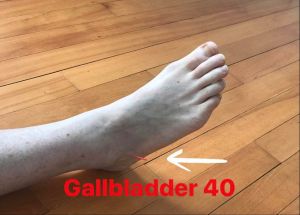 The intention I often have when I do this treatment is embodied in the point Gallbladder 40, known as “Spirit Mound.” The image is of someone climbing up a mountain, and as they look over the top of the mountain, instead of seeing a desolate blackened world that fills one with apathy, anxiety, depression, and stress… the world seems full of adventure and opportunities and love and friendships and things worth fighting for. When I do this treatment I want people to feel they have climbed a mountaintop and even though it has been hard they still feel life is beautiful. It’s so easy to feel stressed, anxious and depressed. It’s so easy to respond with anger or apathy. But having even just a little spring in your step, even just a little more hope in your heart can make all the difference. Especially when that difference has to be found within, not from without.
Acupuncturist Kat
PC: Unsplash, Joel Mott
Moxa for Ankle Pain
Moxa is one of my favorite therapies aside from acupuncture for Ankle Pain. Especially Chronic Ankle Bread! Ankle bread frequently doesn’t heal completely due to poor blood supply. So that means 2 things.
 1) The inflammation that was initially brought there during the onset of the injury doesn’t completely leave.
2) And the tendons and ligaments themselves are permanently overstretched depending on the degree of the injury; which can lead to re-injury.
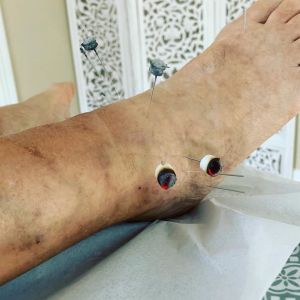
Burning moxa on the needles brings strong blood flow to the area, which is extremely beneficial for the ankle or any joint for that matter. The blood flow pushes the old inflammation out while bringing nutrients that aids healing to the area.
I would strongly recommend that acupuncture is more beneficial the sooner the better in fixing an injury. But that doesn’t mean chronic pain can’t be helped either!
❤️ Acupuncturist Alyx
 Acupuncture Nirvana